Daniela Cerracchio

September 21, 1993 – April 23, 2014 / Italy

Thank you to Daniela’s mother, Paola Pacca, for sharing her daughter’s story and continuing to be a fierce advocate for the Lafora community.

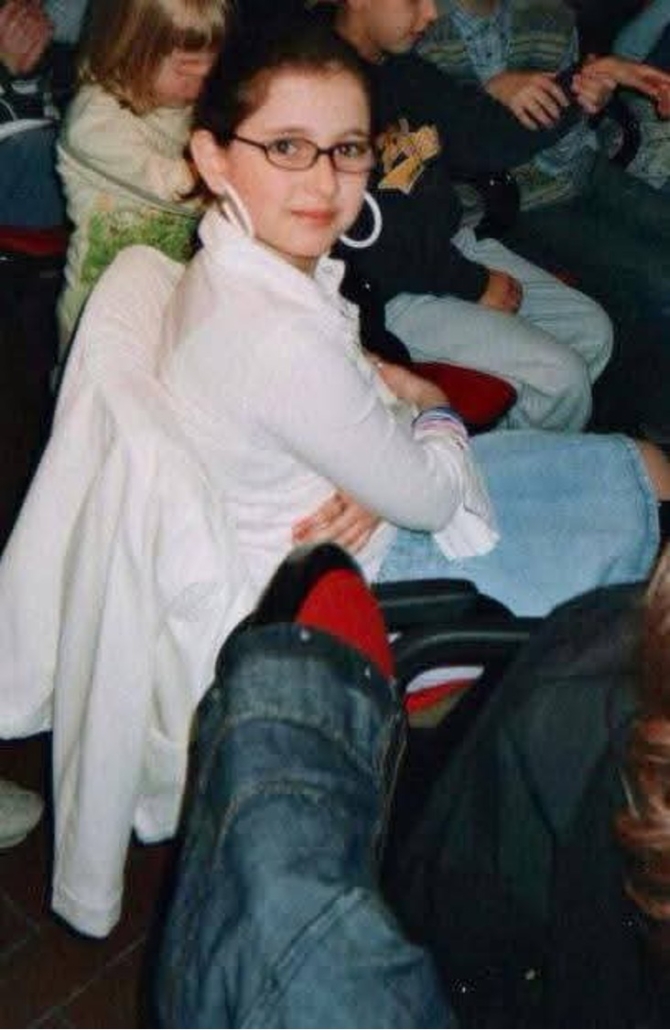
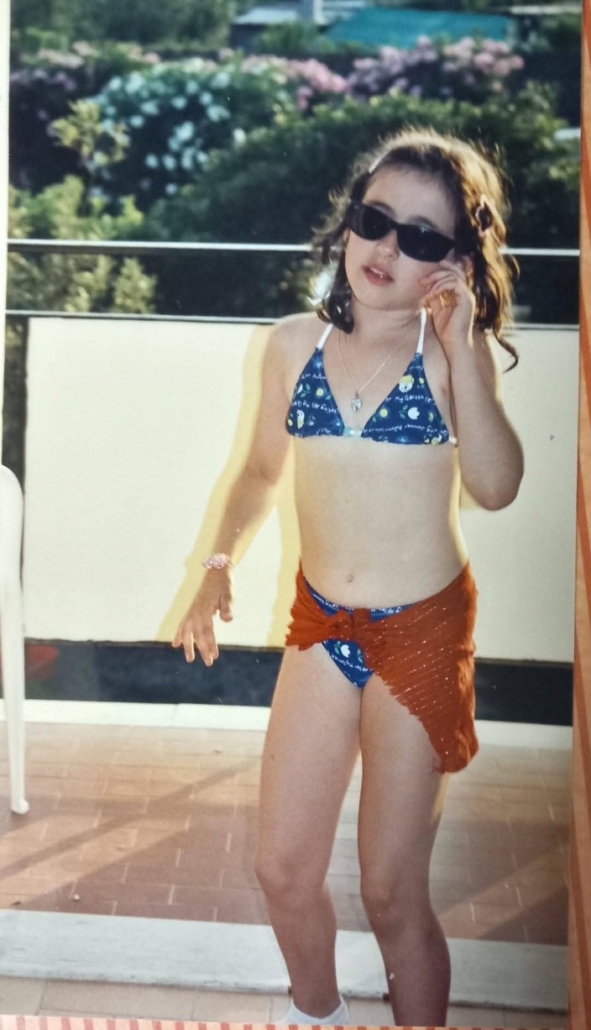
Daniela was a very cheerful child who grew into a determined teenager. She attended a classical dance school where she pursued her passion. Daniela also loved acting and music.
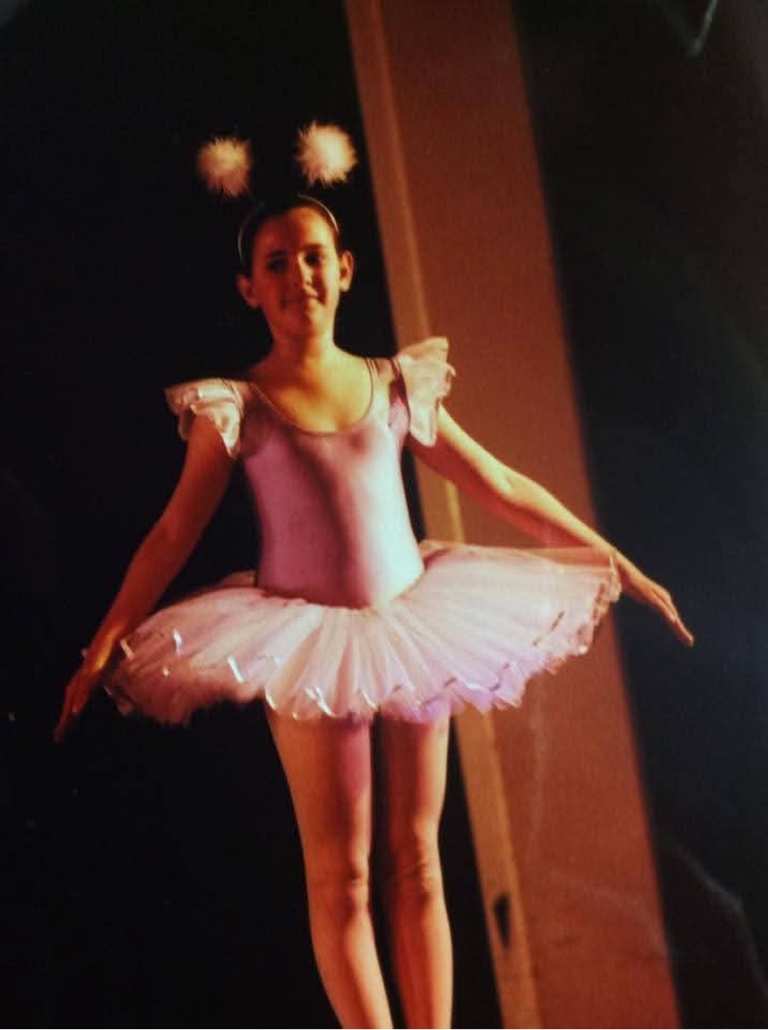
Everything Happened So Fast…

She faced some challenges in school, and at times, her mother shared that she thought maybe Daniela just didn’t like school. When she was 12, she began to say she felt dizzy, and the pediatrician decided to send her to a pediatric neurologist. The neurologist dismissed the dizziness because he said it was related to puberty. Despite that assessment, Daniela’s dizziness continued. Paola continued to advocate for her daughter until they prescribed Daniela an EEG test.

The test was performed in the morning, and that same afternoon, the neurologist called to ask if her family had any relatives with epilepsy.

Paola shared, “At the time, I couldn’t remember anyone…years later, when Daniela’s illness had progressed, I discovered that when I was a child one of my cousins had died of Lafora.”

The doctor told Paola to bring Daniela in, surprised she never had a seizure. In Daniela’s 10-minute EEG recording, she had 10 absences. She immediately began medication, Depamag, to prevent a possible seizure. 

There’s Something More Than Epilepsy

After only a month of treatment, at the age of 14, Daniela’s symptoms began to worsen. Things began to slip from her hands as she tried to hold on to them. She asked her family to take her to a psychologist. They visited many doctors, and they all said the therapy was fine.

But Daniela kept struggling, so much so that she could not finish her last year of middle school. She repeated her last year of middle school and was able to complete it with much difficulty. She was often battling fevers and headaches and was bothered by lights.

Daniela changed neurologists and ended up at the pediatric neurology department of the Meyer Hospital in Florence. There, they changed her medication and confirmed that she had Juvenile Myoclonic Epilepsy. Finally, they told her it would pass by the age of 19.
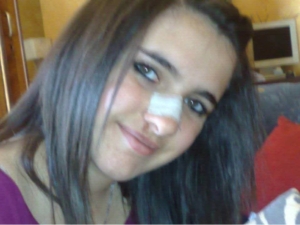
May 2009, after her first seizure.

Instead, in May 2009, Daniela had her first generalized seizure. She then had another one the same month, and then a third on August 15.

On the morning of August 18th, Daniela woke up and couldn’t stand. Also, she couldn’t remember where the bathroom was. Her family took her to the hospital immediately, and over the course of ten days, they ran many tests. The doctor then shared that Daniela had a degenerative disease and that she would continue to get sicker, but that they did not know what it was. By that time, she had lost the use of her hands.

Lafora Disease

The following month, in September of 2009, after a week-long hospitalization at the Besta Institute in Milan, her family received the diagnosis of Lafora disease. She was 16.

“It felt like a knife to the heart,” said Paola.
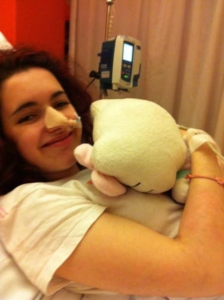
Her mother did not tell Daniela that she had a degenerative disease. She told her she had a form of epilepsy called Lafora and that doctors were looking for a cure.

Shortly after her diagnosis, Daniela began to struggle with the fact that she could no longer do her own hair and makeup as she used to before she was sick. She could no longer go to school and missed her friends. The only people Daniela saw besides her family were the caregivers who spent four hours with her daily. She found comfort in listening to music and watching movies.
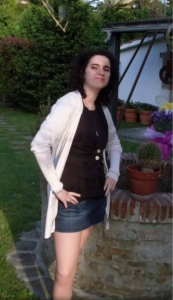
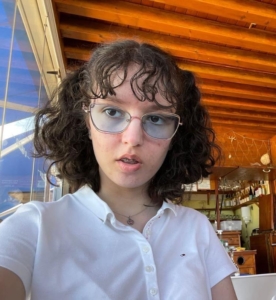
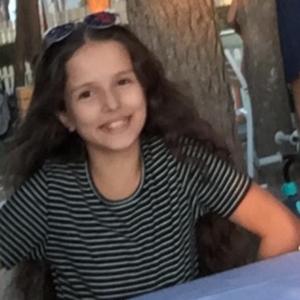
Daniela, age 17.

Fortunately, her isolation did not last, because five former classmates came to visit her. Daniela enjoyed reconnecting with friends; they would watch TV and come over for pizza. When they got their driver’s licenses, they would take Daniela out of the house until her symptoms worsened. She started forgetting the names of singers and could no longer go out the way she used to, or the way she wanted to.

Daniela Dreamed of Travel

At 18, she attended Dynamo Camp, an inclusive environment for children and adolescents with neurological and oncological diseases. There, she was able to take part in various activities carefree, despite having multiple seizures.
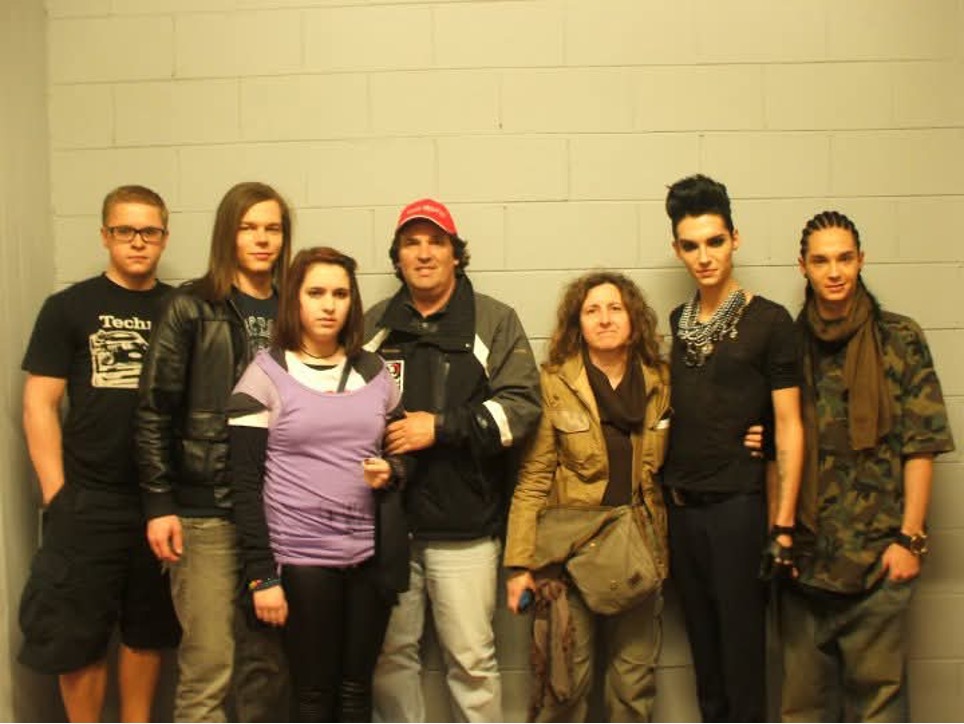
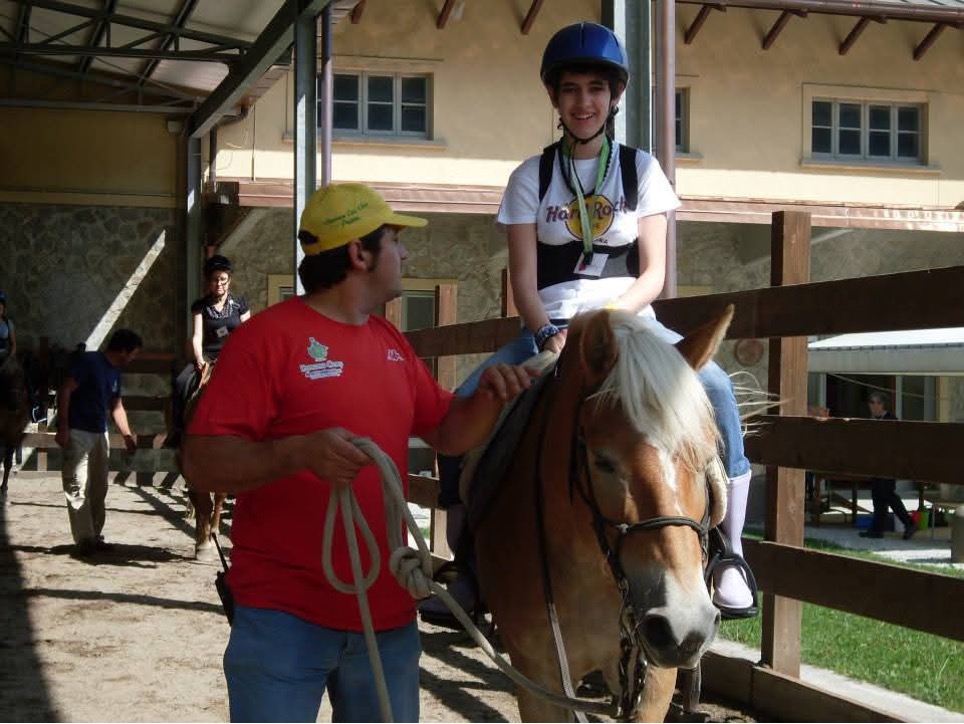
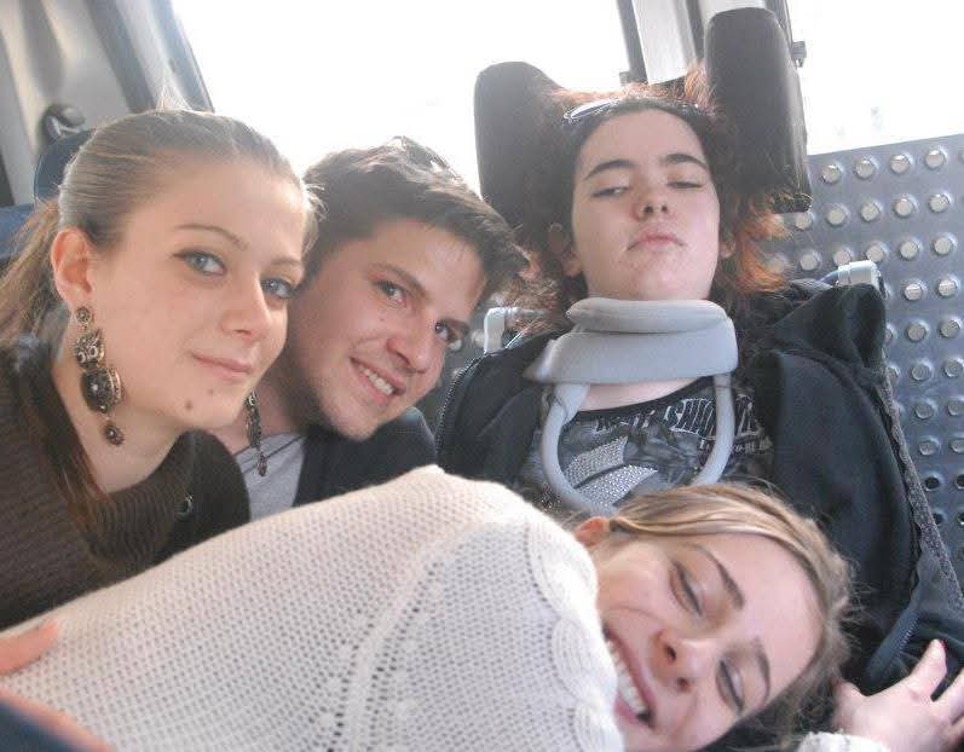
Around the age of 19, Daniela’s symptoms worsened. Before Lafora, she wanted to be a chef and travel around the world. Daniela dreamed of going to Berlin and learning German because she loved the German band Tokio Hotel. Daniela desperately missed her independence, but she could no longer walk. Her family started to take her out in an adaptive van to see the sea and nature, which she loved.  She was always happy to see her friends, too.
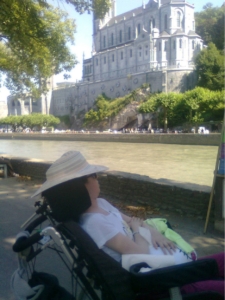
Lourdes, July 31 – August 6, 2013.

Eventually, Daniela could not get out of bed and needed a PEG tube. Paola and Daniela went to Lourdes on a trip organized by Unitalsi (National Italian Union for the Transport of the Sick to Lourdes and International Shrines). Even though Daniela was bedridden, she was happy.

In September 2013, Daniela took a turn for the worse. She began battling multiple seizures, PEG issues, high fevers, and frequent hospitalizations.
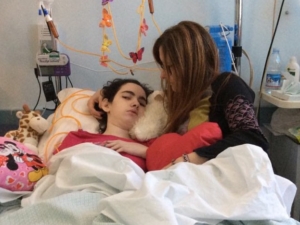
April 2, 2014, Daniela with her mother, Paola.

On April 23, 2014, at 6 in the morning, she put on her butterfly wings and flew free from all her pain. 


For Daniela (Farfallina Libera Di Volare), Little Butterfly Free to Fly in English, her family organized an annual charity walk from 2010 to 2019 to raise funds for Lafora disease research.

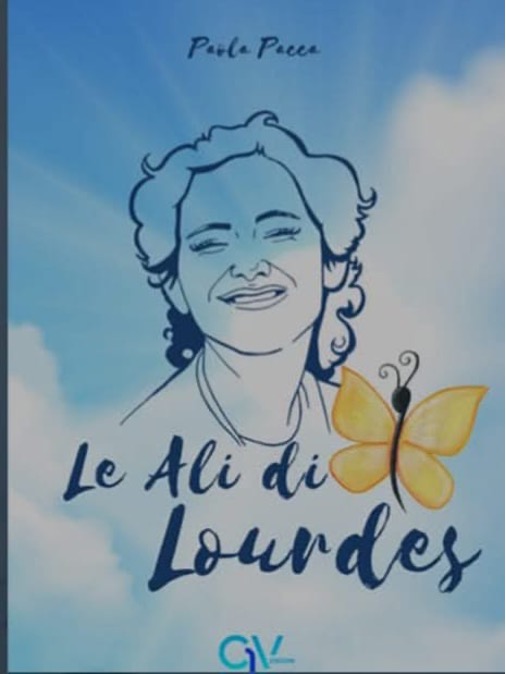
Paola also wrote a book about their experience at Lourdes.

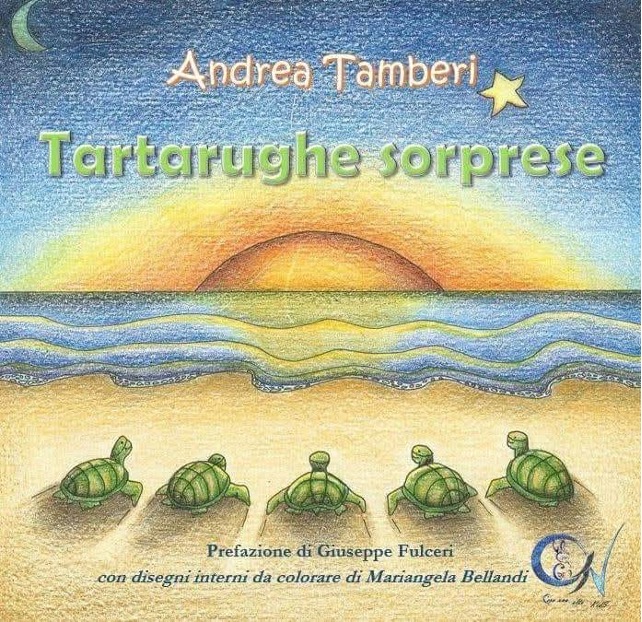
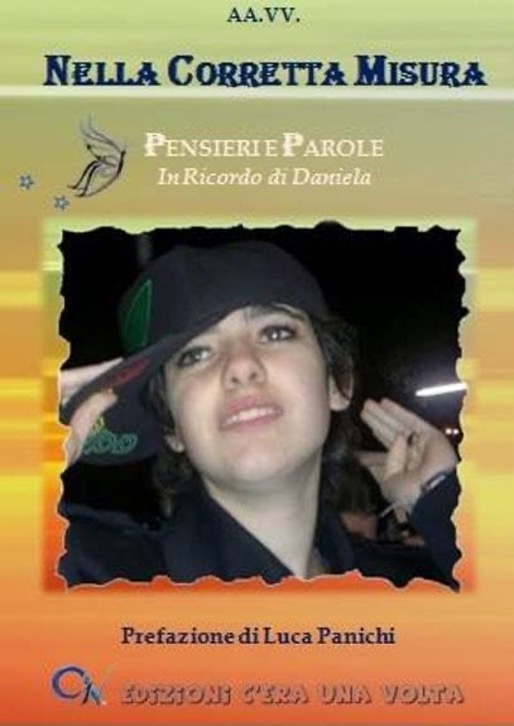
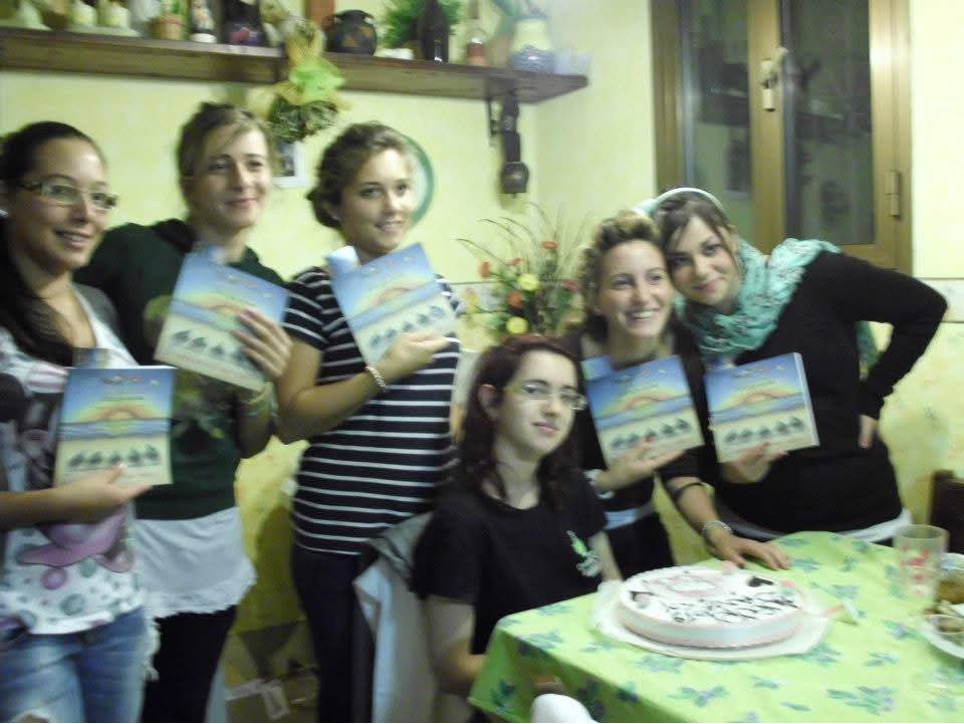
Friends wrote two books that support efforts to fight Lafora: ‘Tartarughe Sorprese,’ released in September 2012, and ‘Nella Corretta Misura,’ published in September 2014. 
In 2025, Samuele Rizzuto released a song dedicated to Daniela:


La storia di Paola in Italiano:

Daniela era una Bambina e Ragazza molto solare, ma anche testarda. A scuola aveva molte difficoltà, tanto da pensare che a lei la scuola proprio non piacesse. A Lei piaceva molto ballare, infatti andava in una scuola di ballo classico, e fare teatro; adorava la musica ed era molto vicina alle amiche che avevano problemi. Alle elementari aveva una amica sordomuta e lei era l’unica che andava a casa sua, anche alle medie lei scelse di starle accanto, perché diceva che gli insegnanti le parlavano lentamente, ma invece potevano parlare benissimo normale, così che lei l’aiutava a capire. Ha avuto anche l’esperienza di fare la scout.
Read more

Mathilde Daubjerg

Mathilde smiling

Denmark

Meet Mathilde, who, at the age of 21, has been battling Lafora disease for half of her life.

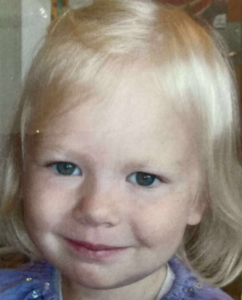
Mathilde as a toddlerA Happy Childhood

Mathilde was a perfectly healthy and happy little girl, well-liked by everyone she met, and skilled academically. Outside of school, Mathilde was a Girl Scout. She loved animals, creative hobbies like drawing and painting, reading horror books, and watching Disney movies with her sisters.

Mathilde would help her neighbor by mowing their grass; she babysat children some afternoons. Her dream job, though, was to work in healthcare. She imagined a future living in a small yellow house with her own family. Mathide even daydreamed about her future children’s names: Agnes and Isaac.

No one ever imagines they will be diagnosed with a rare disease. Even as Mathilde’s first symptoms began, everyone thought she had epilepsy…

Mathilde’s First Symptoms

When Mathilde was around eight, she began having seizure activity. She dropped in her school yard and was unresponsive for more than an hour, but didn’t experience any jerking or cramping. The doctors recommended she have an EEG, the results of “which unfortunately disappeared in the system.” Life carried on for her.

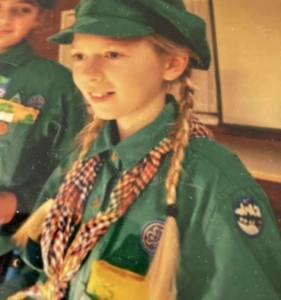
Mathilde at ScoutsAlmost a year later, while participating in the Scouts program she loved, Mathilde had another episode where she was also uncontactable for over an hour. This time, she experienced muscle jerks in her right arm. She had another EEG, which showed epileptic activity around the same time as the results of the first one appeared.
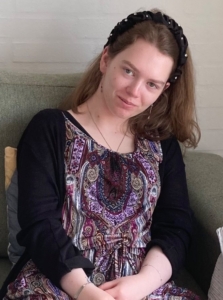
Now in the third grade, Mathilde began to struggle with keeping up with school; she “suddenly had a hard time reading and spelling, which she had always been really good at.” Between her cognitive challenges, trouble controlling her body, and side effects of her medication, it became clear there was something more going on. Mathilde school portrait

She was admitted to the Epilepsy Hospital Filadelfia many times. Starting with GTK around age 10, Mathilde trialed many different medications and received different epilepsy diagnoses.

Lafora

In 2018, she began experiencing tics, muscle jerks, and dropping things. No medication helped her manage her body; her symptoms progressed. Once coordinated and active in Scouts, Mathilde was falling and experiencing undefined seizures frequently. Her whole body would twist, and she would hear her family, but she would be unable to answer them.

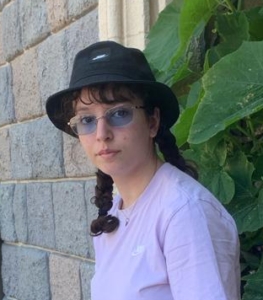
Mathilde age 21

Mathilde recently celebrated her 21st birthday.

The cycle of hospital visits and medications continued until Mathilde had a biopsy in 2020. As if March 2020 was not difficult enough, she was finally diagnosed with progressive myoclonus epilepsy. Her family learned their beloved Mathilde was fighting Lafora Body Disease and has been engaged with the community since.

While Mathilde’s age made her ineligible for the ION283 Safety Study, her loved ones remain hopeful that treatments will help her soon. She recently celebrated her 21st birthday on June 10.

Thank you to Mathilde’s mother, Jette, for sharing her daughter’s story with us.

Emine Malaj

Emine (Emi) Malaj, Leicester, United Kingdom

Written by Fatos Malaj, Emine’s father

Emi was just 10 years old in 2018 when she had her first seizure. It happened on a school trip with her school friends and teachers. Getting the call from the teacher that something had happened was shocking, as Emi was a healthy child and we never saw symptoms of anything. This phone call still haunts me to this day as it is not a call you ever want to take.

The doctors said it could be a one-off tonic-clonic seizure so we just had to monitor her at home. In 2019 at the age of 11, (8 months later) she had her second tonic-clonic seizure while swimming at the public pools. Another scary event, as she was in the water and could have drowned, but thankfully I was there to save her. 

At this stage, her behavior was still fine until she started taking medication, Levetiracetam, commonly known as Keppra, to manage her epilepsy. Unfortunately, a common side effect of Keppra is Keppra rage, so she was always angry and aggressive with everyone and hardly spoke nicely to anyone. Her attitude completely changed. She was not positive about anything and it was challenging to manage this behaviour. The behaviour I hear, that is so common from other families. However, the Keppra helps with the seizures.

Emine Malaj 16

Over time, the symptoms got worse, along with deterioration, which is not common with epilepsy or a side effect of the medication. Emi’s walking got weaker and her memory became a lot worse. She had to think a lot longer before she could say anything. Her thought process had become slow. She was having myoclonic seizures which caused her hands to shake every so often even when doing simple things. Slowly she has lost parts of her life and as a family, it is hard to see this every day.

Emi’s mother Lily became her full-time carer but the family also helps. She has around 1-2 hospitalisations per month, so it takes a toll on Emi and the whole family. Every hospitalisation is extremely worrying as the seizures can be fatal, so they need to be attended to quickly to avoid the unimaginable.

Since 2022, Emi has been homeschooled as there isn’t assistance available to keep her in mainstream school and a parent cannot accompany her. This has impacted Emi’s mental health as she misses school and her friends very much and they are not able to find a way to help her get back into school even casually.

Emine Malaj young

As a young person, it is hard to see them miss out on so much. She would love to drive and talks about it all the time but now cannot have the opportunity to try, however she keeps on asking when she can and it is very upsetting.

I miss when she would finish school and come into my car for pick up. She would be excited to tell me about her day and was always positive about these things no matter what. She loved life! Now looking back I didn’t realise how important these small little things were. I will miss her bright smiles and wonderful laugh that brought so much joy to the house. But now it’s like a memory that will stick by my side forever and I will never forget it. Grieving the way she was is a massive part for us and yet she is still alive for us to watch her deteriorate and suffer more. How can this be a reality?

I received the diagnosis from her doctor when he called me in to give me the news. When I got there, he told us the name of the disease; Lafora disease with the EMP2A gene and that he would need to do further research as it is very rare and he didn’t have much information. He did however give us the basics and this was a real turning point for all of us in your life.

Lafora disease is a terminal neurological degenerative disease characterized by progressive myoclonus epilepsy, tonic-clonic seizures, cognitive decline, childhood dementia, ataxia and years of suffering.

Everything I had in my head for the future of my children was completely stripped from my mind. It was a moment I couldn’t believe and I didn’t want to see anyone. I just wanted to be left alone to process it all. Me and my family live two different lives right now. One in front of Emi and the other is the reality with everyone else. I found it hard to say in front of my wife the bad news of the diagnosis, as she is more fragile than me. She held Emi for 9 months and brought her into this world with the best care and love she could give.

In Paris with Emil Malaj

Emi has noticed a difference in us, one time when I took her to Paris and we took many photos together, she saw them and said “Daddy you look so empty in these photos”. She caught me and realised how I was feeling even though I was trying to hide it. Everyone has accepted everything and knows this is our reality. We don’t think much about ourselves. We only think about what is best for Emi. Our moods and mindset depend on her wellness for the day because if she is not joyful and smiling, then neither are we.

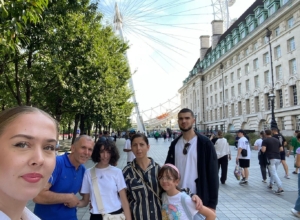
Bologna symposium 2023 - Fatos with other families and researchers

In 2023, I went to Bologna, Italy for the Lafora Science Symposium and it was the best decision of my life. I met with the community who understood exactly what we are going through and how to manage this disease. I got to meet other parents like me and they understood me better than anyone else had. Most importantly, I met parents who lost their children and yet they still stood by my side and supported me. I met doctors who were very helpful and happy to guide us and told me not to lose hope. This past September 2024, I had the same opportunity to attend the Lafora Science Symposium in San Diego, USA and I had the same experience. I became closer with the families and community and have learnt ways on how to slow progression down and give Emi and good quality of life to keep her happy.

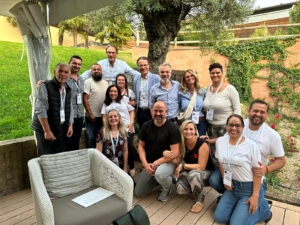
Fatos with families in San Diego 2024

It is very hard to express our feelings. I have seen things that are not easy to let go of or pass through your mind, but we manage our days bit by bit. We are not able to go out and have the normal “family day out” and do fun activities. We feel completely isolated from this and have accepted it as our reality, but I think we just pretend things are okay, so that we can get through the days. 

I am excited that the Safety Study has been approved and I am hoping to apply so Emi has the chance to be one of the 10 patients that will have the opportunity to trial the ASO therapy. It is a long journey from the UK  to get to Dallas, Texas, USA but that does not concern me. My main priority is to slow down the progression and stop death in my child.

Today, I sit here with the hope now to change the pathway for my daughter and many others.

Please help us fund this safety study as we have to raise funds to travel, accommodation and to continue the safety study for all the 10 patients.

If you have any money to spare, even if it is the cost of a coffee, please donate to Chelsea’s Hope so they can keep going with helping our children.

Many Thanks,

Fatos Malaj

October 2024

Fatos and Emi Malaj


Zaina Zaid Nemer

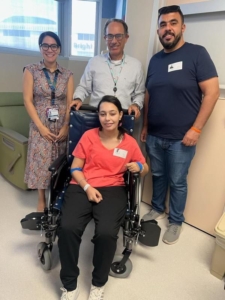
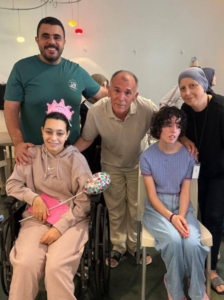
Zaina in a wheelchair surrounded by three adults standing and smiling at a hospital

Zaina at UT Southwestern, July 2025

Zaina, from Gaza City, is the seventh patient in the ION283 Safety Study.

She was diagnosed with the ultra-rare epilepsy at the age of 13. Before her symptoms progressed, she loved to play basketball and was her team’s captain.

A stellar student, she applied herself to physical, occupational, and speech therapy just as she had in school. Zaina relied on medication to manage her seizures, and she even returned to school to take some exams.

2024: Help Lafora Patient Zaina and Family Evacuate Gaza

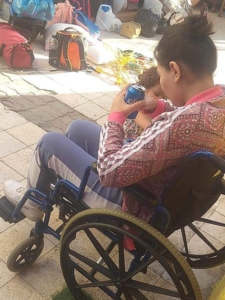
Zaina sat facing away from the camera with bags in the background

Zaina, October 2023

Everything changed in October 2023 – surrounded by violence and destruction, the hospital where she received treatment was no longer operable. Her family evacuated repeatedly to escape the fighting. There were times she lost the ability to speak and move because she was in status epilepticus, which terrified her mother. Her family was desperate to access medication and get to safety.

“There is nothing in pharmacies…There is no clean place here. We eat with the lids of cans, and I am careful when using them so as not to harm her,” shared her mother.

Zaina’s uncle started a GoFundMe in January 2024 to help her.

2025: Hope in Dallas

Zaina (left) celebrates her 19th birthday with her dad and Emi (seated) and her parents.

Zaina is one of 10 eligible patients participating in the ION283 Safety Study. Earlier in 2025, she made it to Egypt and recently traveled to Dallas, Texas, where she received her first dose in July 2025. Accompanied by her dad, Zaina has even had the opportunity to connect with other Lafora patients. She recently celebrated her 19th birthday in Dallas. Zaina and her family are so thankful for this opportunity and the hope it has brought them.