Jess was a mere 13 years old when she had her first seizure. She will be 29 this year, so she has been battling this dreadful monster for half her life. As the years march on, Jess has gone backwards in time and the dementia has overtaken her. She functions with the mentality of a young child in a woman’s body, and often cries herself to sleep as she is still acutely aware that her life is not as it should be. She still harbors a longing to fall in love, get married, and have children. She still wants to go to college and drive a car and walk unencumbered. She dreams of a day she no longer has to swallow 38 pills to get through each day alive and free of seizures.
She has to wear a BiPAP with oxygen to assist with her breathing as repeated cases of aspiration pneumonia have permanently scarred her once-healthy lungs. However, despite all life has thrown at her, Jess remains steadfast in her strength and love for her family. She is quick to compliment you and tell you she loves you. She sings all her favorite country songs out loud at full volume and binge-watches her favorite TV show “Supernatural” on Netflix. She still eats and drinks and loves honey-thick Diet Coke and hot wings.
We try to focus on the blessings we do have versus the life we once dreamed of for her, and she for herself. Jess, like all the others, deserves a chance to thrive, not just survive. There are treatments available, but the research has stalled.
 LAFORA. For 99.9% of the population, the word means nothing. It could be an exotic locale, foreign name, or strange plant species. I never, in my worst nightmares, could imagine the pain, suffering and heartbreak that would come in knowing what Lafora is. Our world has now become engulfed in the reality that is Lafora Disease. Jessica, our beautiful, intelligent, athletic and loving 15 year-old daughter, was diagnosed with Lafora Disease on February 3, 2009.
 Jess’s story is not unlike any of the others you will read about on this site. Until fall of 2008 she was an honor roll student, cheerleader, best friend and star volleyball player in addition to being a loving daughter, big sister, granddaughter and cousin. She had an infectious laugh, a sparkle in her eye and a zest for life. She often talked about turning 16 and driving…her plans to go to college and become a teacher just like her Dad…of the babies she wanted to have and raise….of her fairytale wedding. Those dreams have all been put on hold because of the curse of Lafora Disease.
Jess began having myoclonic jerks of her arms in the summer of 2007. Being a registered nurse, I did have concerns though they never really bothered her. We took her to her pediatrician in September. Her neurological exam was normal, but they did agree to make a referral to a neurologist. Since things weren’t really getting any worse, we put off making the appointment and Jess started her 8th grade year at Ferndale Area High School in Johnstown, PA full of plans for junior high fun. In December 2007, our family moved. The move was not only physically stressful, but emotionally stressful for Jess as we were moving across town and away from her best friend who lived right across the street. The night of the move, we were all unpacking and Jess was alone in her room. It was then she had her first grand mal seizure, though we didn’t know until later since it was not witnessed. We repeatedly called her to dinner, and when she didn’t respond, we found her drooling and awake, but unresponsive, in her room. She came around a short time later. At that point, we really had no idea what was happening, but knew something was seriously wrong. We called the doctor, who recommended we make the appointment with the neurologist soon. Our appointment was made for March, but in January, Jess got tonsillitis and had a fever of 104. That morning, she began jerking uncontrollably and experienced knee-buckling, which sent her to the floor. We took her to our local ER, where she underwent a CT scan, blood work, and various other tests. We also finally got a neurology consult, and an EEG was ordered. The EEG was grossly abnormal. Based on history and symptoms, he diagnosed Jess with juvenile myoclonic epilepsy. We were initially relieved…JME can generally be easily controlled with Depakote. Jess started on Depakote and we thought “OK…we can deal with this.”
 The Depakote worked for about a month until the jerks came back with a vengeance. The doctor added another drug, and it got worse. At this point, we noticed Jess beginning to have problems in school. Homework, which used to take a half an hour, now took 2 hours. She began to seem spacey and out of sorts. We chalked it up to the side-effects of the medications, but made an appointment with a pediatric neurologist/epileptologist at Children’s Hospital in Pittsburgh for a second opinion. We went to her in May, and she confirmed the JME diagnosis. She added another med, and things were OK until late summer. When the uncontrollable jerking started again, we contacted the doctor who scheduled her for another EEG. The day of the EEG, Jess couldn’t walk, had to be given a bath, and couldn’t feed herself. When she was finally hooked up, the EEG was so abnormal they had to give her IV Ativan to break the pattern. After a few days, it calmed down. The doctor started her on another med and things were OK and we went home with the idea that Jess had a refractory case of JME that was resistant to meds.
 Jess started her freshman year and into the fall, the mental fogginess, cognitive slowing and seizure activity increased to the point we had to take her out of her honors classes and start an IEP (special education). An evaluation by a neuropsychologist showed extreme slowness and an IQ of 55…this from a straight A, advanced classes student. My Mom (who is also a registered nurse) and I began to suspect we were dealing with something much more terrible and urged our neurologist to perform further tests. She did, and though we didn’t know exactly what she had ordered, the blood work was done in early December 2008.
During the time we waited for the results, Jess continued to deteriorate. She had her first witnessed grand mal seizure, the jerking and dropping got worse, and now included head-drops and trunk drops, and she was no longer able to fully function in school. She was sleeping 12-14 hours a day, and when she was awake, it was like having a preschooler. She had to monitored constantly. Nobody could understand this as all our research indicated that those with JME could lead relatively normal lives. We were all incredibly saddened and frustrated….and, at that point, we knew that the symptoms had to be from something much more dark than the side effects of the medications.
 On January 22, 2009, we had an appointment with our neurologist, at which time she shared the results of the tests done in December. All were OK except one, which showed she had one mutation known to cause Lafora Disease, and 2 mutations on the same gene of “unknown significance.” We were lucky enough to have a neurologist who was familiar with Lafora, but she also knew it was a recessive disease that required 2 mutations; Jess only had the one known. In consulting with other neurologists across the country, she couldn’t draw a definitive conclusion as to whether Jess had Lafora because nobody knew what the other mutations meant. We left the office thinking she had a mild case of Lafora. After doing the research on Lafora, we were relieved that nobody thought she had a full blown case as we couldn’t even begin to imagine that our daughter had a progressive and fatal disease as sinister as Lafora. In retrospect, that 12 days of ignorance was bliss.
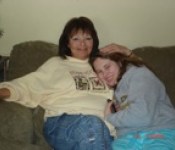 I, however, was not content to rest on those laurels and there was always something nagging in me to not leave this alone. My daughter simply was not the same person I had always known and loved. So, I began to dig deeper. In my research, I found this website and found contact information for Dr. Berge Minassian, who is also one of the foremost authorities on Lafora Disease. I sent him Jess’s test results, not really knowing what to expect, and the reply I got confirmed our worst fears. Her second mutation, though not seen before, is disease causing. Our daughter was diagnosed with Lafora Disease on February 3, 2009.
 Lafora is an ugly monster of a disease that steals the life of active healthy children and turns everyone’s world upside down. Jess, who rarely had anything more than a cold, must now take 22 pills a day to control seizures. She hasn’t been to school since February, and her once wide open world has narrowed to a small tunnel. We must, however, look for the light at the end of that tunnel…a light that depends on getting the word out and finding a cure for this crazy senseless disease….a light that depends on YOU. The researchers are headed in the right direction. We all need to band together to make sure they get there so nobody else has to endure the hell that is Lafora.
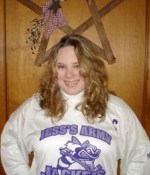 Jess is still in the early stages of the disease, and still has a chance to benefit from treatment. We beg you to join us in this journey of hope…Chelsea’s hope…and Jessica’s hope.
Provided by: Michele Ambroe, Mom to Jessica Nicole Ambroe
Press
“The importance can’t be understated:’ Home Care Nurse shortage impacts local residents
6 News, WJACTV, Cambria County, PA
Nicole Fuschino
January 12, 2023
Studies show that one in five healthcare workers quit their jobs during the pandemic. There’s one group in particular that local health officials say has been experiencing the staffing shortage firsthand: home care nurses. [Read more…]
‘Persons of the Week: Three Ferndale Seniors Carry on Hockey Classic to Help a Friend
The Tribune-Democrat, Johnstown, PA
Frank Sojak
February 5, 2012
The Ferndale Area High School hockey team has two goals in mind when it takes the ice Friday night at the Cambria County War Memorial Arena. [Read more…]
Ferndale Captures Win in Jess Ambroe Classic
The Tribune-Democrat, Johnstown, PA
Shawn Curtis
February 11, 2012
The listed opponent for Northern Cambria in Friday Nigh’s Laurel Mountain varsity hockey game at Cambria County War Memorial was Ferndale.
What the Reapers encountered was an emotional and purple-clad Jess’ Army. [Read more…]

NASCAR Racecar Design Contest
March 8, 2011
WJACTV News
To watch the video, click here
Johnston Family Hopes Promotion Shines a Light on Rare Disease
March 8, 2011
Daily American
by Dan DiPaolo
“Family and friends of 17-year-old Jessica Ambroe are hoping to shine a national spotlight on Lafora disease with the help of NASCAR…”
Read more
————————————-
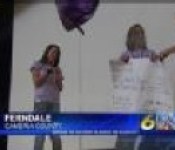 Purple Day for Jess
May 9, 2010
WJACTV News
“Alone we can do so little, together we can do so much.” See how students in Pennsylvania are making a difference in bringing awareness about Lafora.
To watch the video, click here
————————————-
 Jess’s Army Joins Chelsea’s Hope
December 2009
” Savage Employees Have Joined the Fight”
“Salt Lake City, Utah based Savage Services, a transportation and materials management company with operations throughout the U.S. and Canada, has joined the fight against Lafora disease. Jessica Ambroe of Johnstown PA, who is afflicted with Lafora, has had ties to Savage since she was a toddler…”
Read more about Jess’s Army
————————————-
 The Daily American
Thursday, October 1, 2009
“Johnstown teen gains support in fight against rare disease”
by Dan DiPaolo
“When Jessica Ambroe of Johnstown was diagnosed with Lafora disease in February, it allowed her family and friends to put a name to the affliction they had struggled with for more than a year…”
Read the article in the Daily American
————————————-
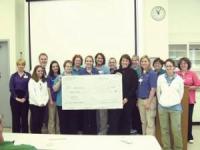
Conemaugh School of Nursing Fundraiser
September 3rd, 2009

“Conemaugh School of Nursing students hold fundraiser to benefit local girl suffering from rare disease…Johnstown, PA”
Read the article
View the flyer
Parent Diairies
June, 2009-June, 2010
December, 2012

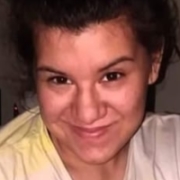
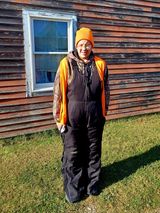


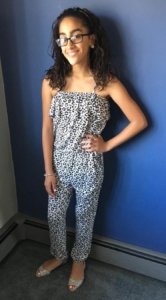

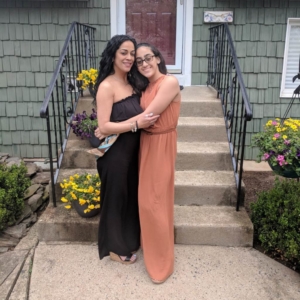
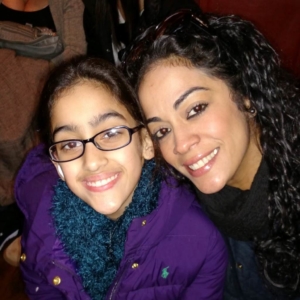



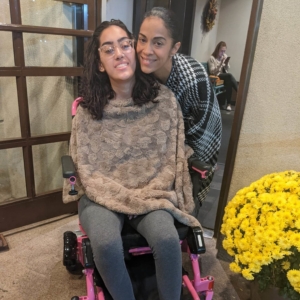




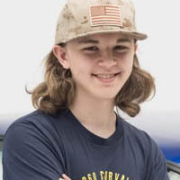

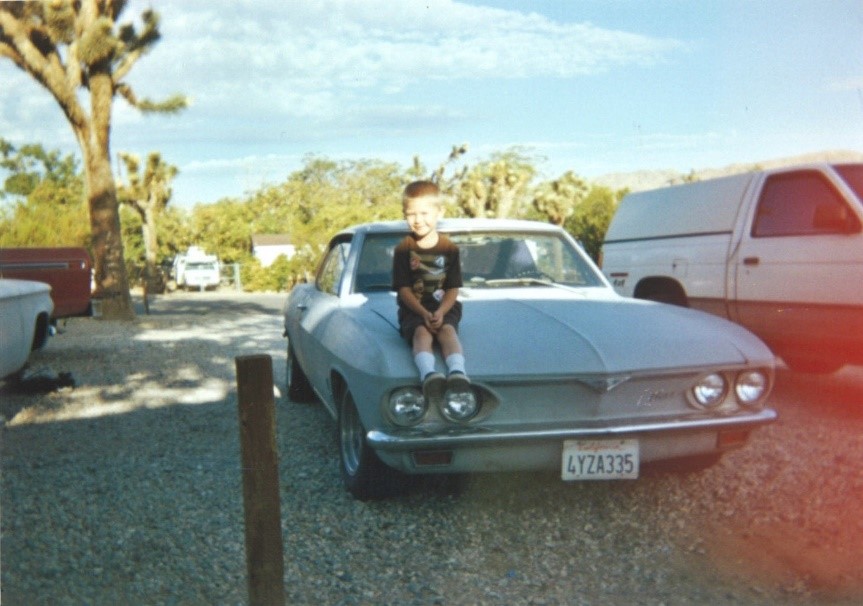
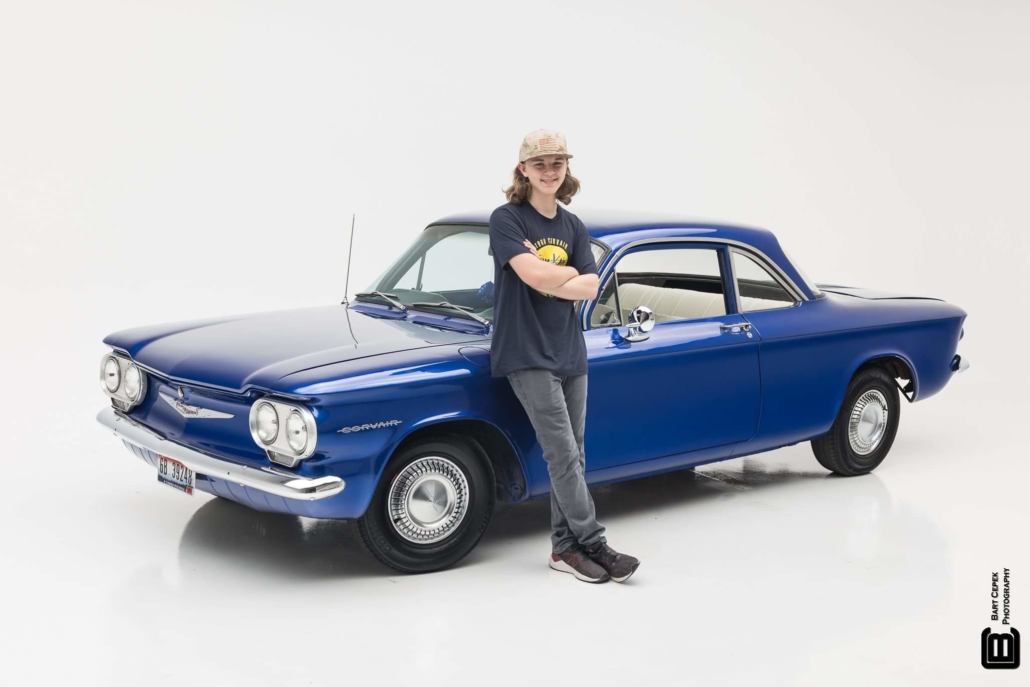
 Kain grew up perfectly healthy until he was 10 years old, that’s when he had his first seizure. He was misdiagnosed with Juvenile Myoclonic Epilepsy (JME) after being assessed by a doctor. He started having grand mal seizures about once a month at first, but the medications they prescribed didn’t seem to help and they got more severe and closer together.
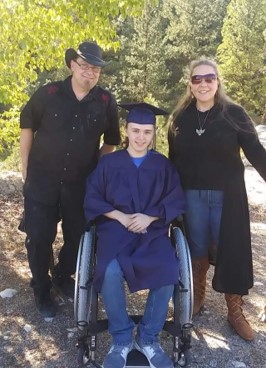
 Kain’s cognitive decline started to effect school in the 9th grade, but until his proper diagnosis, it was thought his troubles were related to medication side effects and mild brain damage from the longer seizures he had had. By 11th grade, the seizures became more frequent, and it was no longer safe for him to ride the school bus because laws prohibited him from carrying rescue medication on the bus, and the drivers were not qualified to administer them, his Doctors also deemed continued education unnecessary.

 Chelsea’s Hope c/o Dr. Donohue